The Silent Saboteur: How Chronic Inflammation Is Quietly Dismantling Your Testosterone From the Inside Out
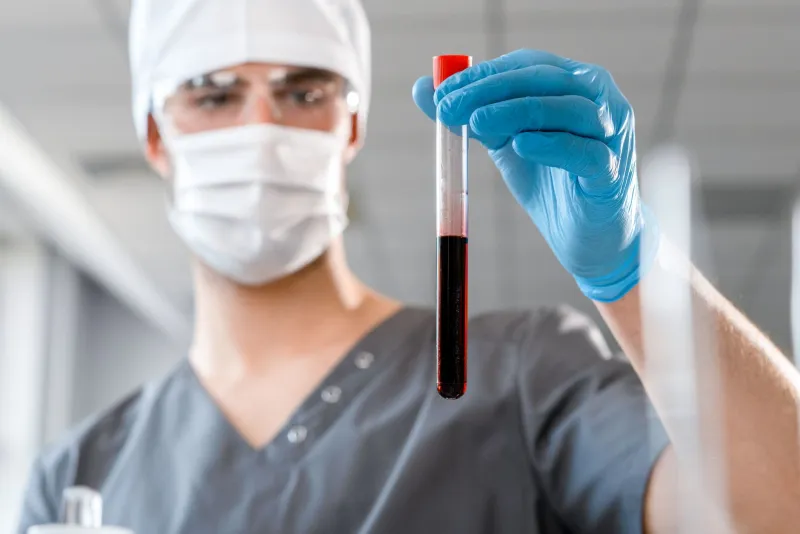
Most men searching for answers about declining energy, reduced drive, or stalled physical performance look first to their testosterone numbers. They schedule a blood draw, receive a result, and either feel reassured or alarmed. What rarely enters that conversation is the underlying biological environment in which those hormones are being produced — or more precisely, suppressed.
Chronic low-grade inflammation is not the dramatic swelling that follows an injury or infection. It is a persistent, systemic condition that can operate silently for years, gradually undermining the body's hormonal architecture without triggering obvious symptoms. For men focused on performance and vitality, understanding this mechanism is not optional — it is foundational.
How Inflammation and Hormone Production Are Physiologically Linked
Testosterone is synthesized primarily in the Leydig cells of the testes, a process regulated by a hormonal feedback loop involving the hypothalamus and pituitary gland. When inflammatory signaling molecules — known as pro-inflammatory cytokines, including interleukin-1 (IL-1), interleukin-6 (IL-6), and tumor necrosis factor-alpha (TNF-α) — circulate at elevated levels, they interfere with this loop at multiple points.
Research has demonstrated that these cytokines can suppress the release of luteinizing hormone (LH) from the pituitary, reduce the sensitivity of Leydig cells to LH signaling, and directly impair the enzymatic conversion of cholesterol into testosterone. In other words, inflammation does not merely accompany low testosterone — it actively causes it by disrupting the very machinery responsible for hormone synthesis.
Additionally, chronic inflammation elevates cortisol, the body's primary stress hormone. Cortisol and testosterone share a well-documented inverse relationship: as one rises, the other tends to fall. Persistent inflammation therefore creates a dual suppression mechanism, attacking testosterone production both directly and through the cortisol pathway.
Modern Lifestyle as an Inflammatory Engine
The average American diet provides a near-perfect substrate for chronic inflammation. Ultra-processed foods — those containing refined seed oils, added sugars, artificial additives, and refined carbohydrates — are now estimated to constitute more than half of daily caloric intake in the United States. These foods promote the overproduction of pro-inflammatory eicosanoids, disrupt gut microbiome balance, and contribute to visceral fat accumulation, which is itself a significant source of inflammatory cytokines.
Sedentary behavior compounds the problem. Physical inactivity is independently associated with elevated inflammatory markers, reduced insulin sensitivity, and increased adiposity — all of which further suppress testosterone. The relationship is bidirectional: low testosterone promotes fat gain, and excess fat tissue promotes inflammation, creating a self-reinforcing cycle that becomes progressively harder to interrupt.
Environmental toxins add another layer of complexity. Endocrine-disrupting chemicals — including bisphenol A (BPA) found in certain plastics, phthalates present in personal care products, and pesticide residues on conventionally grown produce — have been shown to both trigger inflammatory responses and directly interfere with androgen receptor activity. For men living in industrialized environments, cumulative exposure to these compounds represents a meaningful hormonal burden.
Beyond Standard Testing: Biomarkers That Reveal the Inflammatory-Hormonal Connection
A standard testosterone panel provides a snapshot of hormone levels, but it offers no information about the inflammatory environment shaping those levels. Men serious about hormonal optimization should consider requesting additional biomarkers from their healthcare provider.
High-Sensitivity C-Reactive Protein (hs-CRP): This is the most widely used clinical marker of systemic inflammation. Elevated hs-CRP has been directly correlated with lower testosterone levels in multiple studies. A result above 1.0 mg/L warrants attention; values above 3.0 mg/L indicate high cardiovascular and inflammatory risk.
Interleukin-6 (IL-6): A key pro-inflammatory cytokine that directly suppresses Leydig cell function. While not part of routine panels, it can be ordered through functional medicine practitioners or specialty labs.
Fasting Insulin and HOMA-IR: Insulin resistance is both a consequence and a driver of inflammation. Elevated fasting insulin signals metabolic dysfunction that correlates with suppressed testosterone and increased inflammatory activity.
Sex Hormone-Binding Globulin (SHBG): Chronic inflammation can alter SHBG levels, affecting how much testosterone is biologically available. Tracking SHBG alongside total testosterone provides a more accurate picture of hormonal status.
Ferritin: While primarily an iron storage protein, ferritin also functions as an acute-phase reactant. Elevated ferritin in the absence of iron deficiency may indicate underlying inflammatory activity.
Requesting this expanded panel does not require a specialist. A primary care physician or internal medicine provider can order these tests, and several direct-to-consumer lab services operating across the US make them accessible without a referral.
Reducing Inflammation as a Testosterone Strategy
The practical implication of the inflammatory-hormonal axis is significant: reducing chronic inflammation is a legitimate and evidence-supported approach to supporting testosterone levels. The following strategies address inflammation at its source.
Dietary Restructuring: Replacing ultra-processed foods with whole, minimally processed alternatives is the single most impactful dietary change a man can make. Emphasizing omega-3 fatty acids — found in fatty fish such as salmon, sardines, and mackerel, as well as in high-quality fish oil supplements — directly counters the pro-inflammatory effects of excess omega-6 consumption. Colorful vegetables and fruits provide polyphenols and antioxidants that suppress inflammatory signaling. Reducing refined sugar intake lowers both inflammation and insulin resistance simultaneously.
Strategic Exercise: Moderate-intensity aerobic exercise and resistance training both reduce inflammatory markers when performed consistently and without excessive volume. The key word is moderation — overtraining, as discussed in related TestoPeak content, can itself become an inflammatory stressor. Aiming for three to five structured sessions per week, with adequate recovery between them, supports the anti-inflammatory benefits of physical activity without inducing additional hormonal suppression.
Toxin Reduction: Practical steps include choosing BPA-free food storage containers, selecting personal care products free of phthalates and parabens, and washing conventionally grown produce thoroughly. Filtering drinking water with a quality carbon or reverse-osmosis filter reduces exposure to chlorine byproducts and trace pharmaceutical compounds that have been detected in municipal water supplies across the country.
Sleep Optimization: Inadequate or poor-quality sleep is a potent driver of inflammatory cytokine production. Prioritizing seven to nine hours of uninterrupted sleep in a cool, dark environment addresses both the inflammatory and direct hormonal costs of sleep disruption.
Targeted Supplementation: Curcumin (the active compound in turmeric), omega-3 fatty acids, magnesium, and vitamin D have each demonstrated anti-inflammatory properties in peer-reviewed research. These are not substitutes for dietary and lifestyle changes, but they may serve as useful adjuncts for men with confirmed deficiencies or elevated inflammatory markers.
Reframing the Testosterone Conversation
Optimizing testosterone is rarely about a single intervention. The hormonal system is embedded within a broader physiological context, and chronic inflammation represents one of the most pervasive and underappreciated threats to that context. Men who address only their testosterone numbers — without examining the inflammatory environment producing them — are managing symptoms rather than solving the underlying problem.
Measuring the right biomarkers, understanding the lifestyle factors that fuel inflammatory cascades, and taking deliberate steps to reduce systemic inflammation provides a more complete and durable foundation for hormonal health. At TestoPeak, the goal is not simply to optimize a number on a lab report — it is to support the biological conditions in which peak performance becomes sustainable.