The Mirror Lies: How Peak Physical Appearance Can Mask a Collapsing Hormonal Foundation

There is a particular kind of confusion that visits men who have done everything right — years of disciplined training, structured nutrition, consistent sleep schedules — only to find themselves exhausted, mentally foggy, and sexually disengaged. Their bodies look strong. Their bloodwork, when reviewed casually, may even appear unremarkable. Yet something fundamental is failing beneath the surface.
This is not an uncommon experience. It is, in fact, one of the more clinically significant blind spots in men's hormonal health: the phenomenon in which aesthetic fitness outcomes and genuine endocrine function diverge dramatically. Understanding why this happens — and what to do about it — requires looking beyond the surface metrics most men are taught to prioritize.
Why Muscle Mass Does Not Reflect Hormonal Status
The relationship between testosterone and muscle development is real, but it is not linear, and it is not permanent. A man who spent his late twenties and early thirties building significant lean mass did so during a period of likely optimal hormonal output. That muscle does not disappear overnight when testosterone begins to decline. Structural gains persist even as the hormonal environment that created them deteriorates.
This creates a visual lag — a delay between what the body looks like and what the body is actually producing. A man with well-developed musculature may be operating on testosterone levels that have fallen 30 to 40 percent below his personal peak, and yet he continues to appear physically impressive. The mirror, in this sense, is not a reliable diagnostic tool.
Furthermore, body composition metrics can be misleading on their own. Subcutaneous fat — the kind visible beneath the skin — may remain low even as visceral fat accumulates around the organs. Visceral adiposity is itself a driver of hormonal disruption, as adipose tissue in the abdominal region contains the aromatase enzyme, which converts testosterone into estradiol. A man who appears lean may still carry enough internal fat to meaningfully suppress his testosterone-to-estrogen ratio.
The Biomarkers That Tell the Real Story
When symptoms such as persistent fatigue, difficulty concentrating, reduced libido, and emotional flatness emerge in an otherwise fit man, the instinct is often to attribute them to overtraining, stress, or aging. These explanations are not always wrong, but they frequently obscure the underlying hormonal data that would clarify the picture.
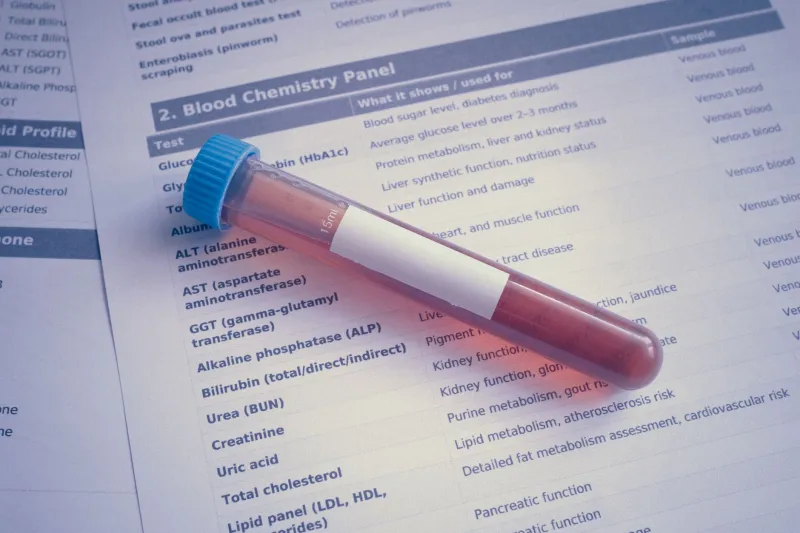
A comprehensive hormone panel — one that goes significantly beyond a single total testosterone reading — is the appropriate diagnostic starting point. The following markers deserve attention:
Free Testosterone: Total testosterone measures all testosterone in circulation, but only the unbound fraction is biologically active. A man with normal total testosterone but elevated sex hormone-binding globulin (SHBG) may have very little free testosterone available to tissues. This scenario is particularly common in men who are highly active and lean, as both exercise-induced stress and low body fat can elevate SHBG.
Luteinizing Hormone (LH) and Follicle-Stimulating Hormone (FSH): These pituitary signals reveal whether the brain is appropriately communicating with the testes. Abnormally low LH in the context of low testosterone points toward secondary hypogonadism — a signaling failure at the hypothalamic or pituitary level rather than a testicular problem.
Estradiol (E2): Elevated estradiol in men produces symptoms that closely mirror low testosterone: fatigue, reduced libido, emotional dysregulation, and difficulty with body composition. Because aromatase activity is partly driven by training volume and stress hormones, competitive and high-volume athletes may exhibit disproportionately high estradiol relative to testosterone.
Cortisol: Chronic cortisol elevation — a predictable consequence of excessive training load, insufficient recovery, or sustained psychological stress — directly suppresses the hypothalamic-pituitary-gonadal (HPG) axis. The body, interpreting sustained cortisol output as a survival threat, deprioritizes reproductive hormones. A man who trains intensely and manages significant occupational or personal stress may be running his cortisol chronically high, with measurable downstream consequences for testosterone.
Thyroid Panel: Thyroid dysfunction, particularly subclinical hypothyroidism, produces symptoms nearly identical to low testosterone and can coexist with it. Including TSH, free T3, and free T4 in any comprehensive hormonal evaluation is advisable.
The Lifestyle Factors Accelerating the Divide
Certain behaviors that are common — even celebrated — within fitness culture actively widen the gap between physical appearance and hormonal health.
Caloric Restriction: Men who maintain very low body fat percentages often do so through sustained caloric deficits. Chronic undereating suppresses leptin, which in turn reduces GnRH pulsatility and downstream testosterone production. The leaner a man tries to stay, the more his body may resist hormonal output in favor of metabolic conservation.
High Training Volume Without Adequate Recovery: More training is not always more productive. Research consistently demonstrates that testosterone-to-cortisol ratios decline with excessive training volume and insufficient rest. Men who train six or seven days per week without structured deload periods may be visually progressing — or simply maintaining — while their hormonal environment degrades.
Alcohol Consumption: Even moderate alcohol intake — two to three drinks per evening, a pattern normalized across much of American social culture — has been associated with reduced testosterone synthesis and increased aromatase activity. Men who train consistently but drink regularly may be partially offsetting their hormonal gains without recognizing the connection.
Sleep Architecture Disruption: The majority of daily testosterone is produced during sleep, particularly during slow-wave and REM stages. A man who sleeps seven hours but does so with fragmented architecture — due to alcohol, blue light exposure, or undiagnosed sleep apnea — may produce significantly less testosterone than his sleep duration suggests.
Recognizing the Warning Signs Before the Lab Results Confirm Them
The body communicates hormonal disruption before blood panels reflect it definitively. Men who are physically active and appearance-focused are often the last to recognize these signals because they attribute them to training demands.
Persistent morning fatigue despite adequate sleep duration, a noticeable decline in competitive drive or motivation, difficulty recovering between sessions that previously felt manageable, reduced morning erections, and a general emotional blunting or lack of enthusiasm are among the earliest functional indicators that the hormonal foundation is under strain.
None of these symptoms are diagnostic in isolation. But their presence in a man who appears physically capable warrants a more thorough investigation than a basic metabolic panel typically provides.
A Framework for Honest Self-Assessment
The first step toward resolving this paradox is to decouple physical appearance from hormonal assumption. Looking strong and functioning optimally are not the same condition. Treating them as equivalent delays diagnosis and prolongs unnecessary suffering.
Request a comprehensive hormone panel from a physician who specializes in men's health or endocrinology. Ensure it includes free and total testosterone, SHBG, LH, FSH, estradiol, cortisol (ideally at multiple time points), and a full thyroid panel. Review the results not against population averages alone, but against the context of your symptoms and your personal baseline.
From there, the intervention strategy — whether lifestyle modification, targeted supplementation, or medically supervised hormone therapy — can be developed with precision rather than guesswork.
The physique visible in the mirror is a record of past effort. It does not report on what the endocrine system is doing today. Separating those two realities is the foundational act of genuine hormonal self-awareness — and the beginning of performance optimization that goes beyond appearance alone.